
Is Epoxy Coating Worth It? Analyze Garage Floor Costs Today!
By Jonathan Welter, Owner of MW Floor Shield — experts in epoxy and polyaspartic floor coatings across North Carolina.
With over two decades of experience in garage floor protection systems, Jonathan helps homeowners understand the true cost, performance, and long-term value of epoxyfloor coatings versus alternatives like polyaspartic and polyurea systems.
Epoxy garageflooring transforms a bare concrete slab into a durable, stain-resistant surface while typically costing between basic DIY kits and full professional installations. This article explains what epoxy garageflooring is, how the two-part resin and hardener system creates a cross-linked polymer, and why that matters for durability, maintenance, and resale considerations. Readers will learn per-square-footcost ranges, how DIY and professional quotes compare, and a 10–20 year lifecycle view that weighs upfront expense against maintenance savings. We also map how epoxy stacks up against alternatives like polyaspartic, polyurea, and simple concrete paint, and provide use-case guidance for workshops, car storage, or heavy-traffic garages. Each H2 section below breaks down components, costs, influencing factors, pros and cons, side-by-side comparisons, and maintenance strategies so you can decide whether epoxycoating is a wise investment for your garage.
Epoxy garageflooring transforms dull concrete into a durable, stain-resistant, and high-gloss surface that enhances both function and appearance. The system combines a two-part resin and hardener, creating a cross-linked polymer that bonds tightly to the concrete substrate. This chemistry explains epoxy’s superior abrasion, impact, and chemical resistance, making it a preferred choice for garages, workshops, and high-traffic areas.
What Is Epoxy GarageFlooring and How Does It Work?
Epoxy garageflooring is a resinous floorcoating formed when a liquid epoxy resin reacts with a curing agent (hardener) to create a hard, chemical-resistant polymer surface. The chemical cross-linking between resin and hardener converts a two-part mixture into a solid film that binds to prepared concrete, providing abrasion resistance, stain protection, and a high-gloss or matte finish as specified. This mechanism explains why epoxy performs far better than paint for chemical spills and tire traffic, and why proper surface preparation is critical for adhesion. Understanding the curing chemistry clarifies later discussions about types, VOC differences, and when to choose professional surface remediation.
What Are the Main Components of EpoxyCoating?
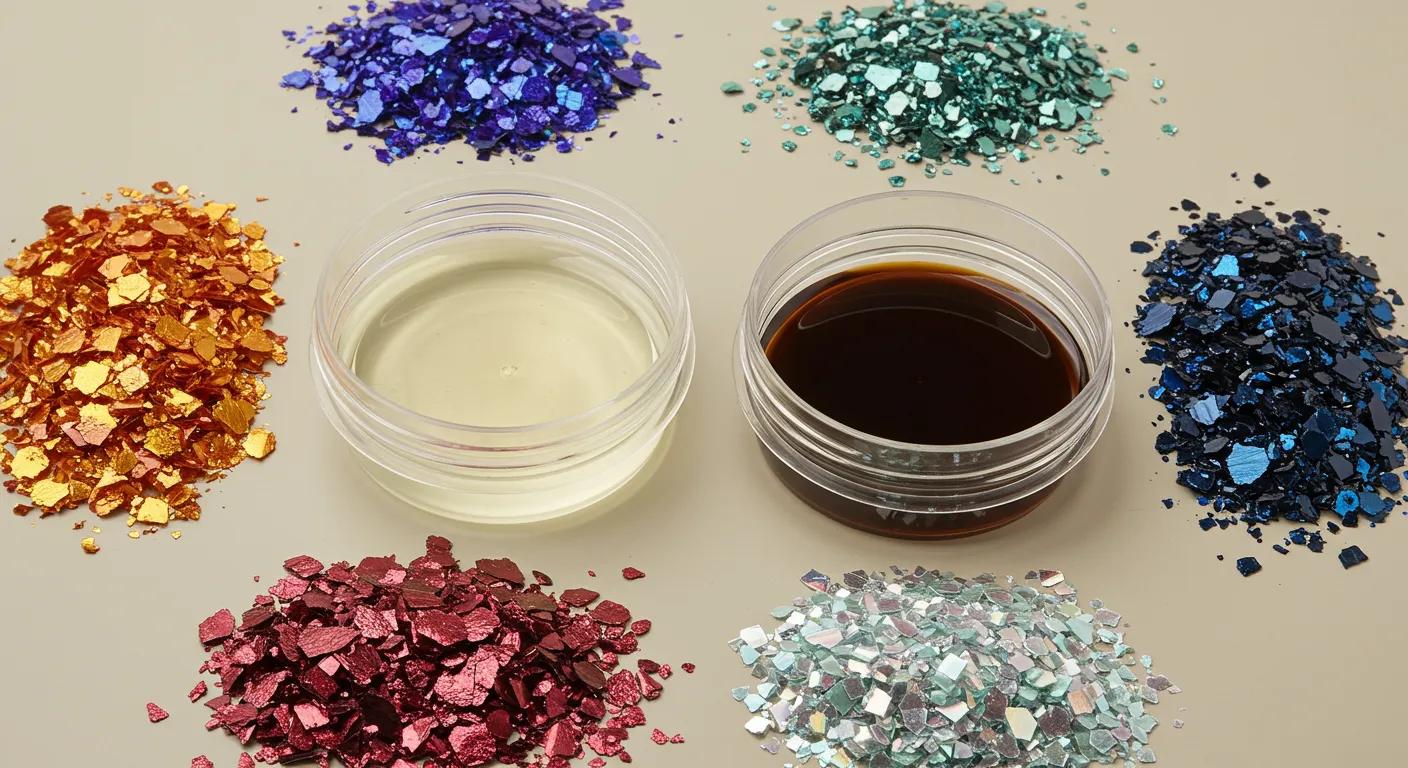
Epoxy coatings are built from a small set of core components: epoxy resin, hardener, primers, fillers, decorative flakes, and optional topcoats or additives. The resin provides the base polymer, the hardener initiates cross-linking chemistry, and primers improve adhesion to porous concrete; together they determine cure rate, hardness, and chemical resistance. Fillers and decorative flakes add texture and visual appeal while anti-slip additives and UV stabilizers address safety and outdoor yellowing concerns. Recognizing these parts helps explain cost differences between water-based epoxy, solvent-based formulations, and 100% solids systems because each component mix affects material price, VOC content, and performance.
What Benefits Does Epoxy Provide for Garage Floors?
Epoxy delivers a set of functional and aesthetic benefits that make it attractive for many garage use-cases: long-lasting wear resistance, easy cleaning, chemical and oil resistance, and numerous finish options. The cured polymer resists abrasion from foot and vehicle traffic and limits stain penetration so routine sweeping and mopping keep the floor looking new; this reduces ongoing maintenance costs compared with bare concrete. Decorative systems with flakes or metallic pigments improve appearance and can positively influence perceived home value, while anti-slip additives enhance safety in wet conditions. These practical benefits lead naturally to cost considerations: the next section explains typical price ranges and how materials and labor contribute to the overall investment.
How Much Does It Cost to Epoxy a Garage Floor?
Epoxy installation cost varies widely by square footage, epoxy system, surface prep needs, and labor rates; typical professional installs fall into a per-square-foot range while DIY kits reduce material cost but require more time and skill. Material-only DIY kits commonly start at lower per-square-foot prices but may omit primer, moisture mitigation, and labor; professional quotes bundle surface prep, primer, multiple epoxy coats, flakes or metallic finishes, and a topcoat. Surface preparation—grinding or shot-blasting—and moisture mitigation often account for a large share of a professional invoice, so budget accordingly when concrete is damaged or damp. Below is a practical cost table showing typical ranges by garage size and installation type to help visualize likely totals.
Intro to cost breakdown table: this table presents typical cost bands for common garage sizes and differentiates DIY material-only ranges from professional all-in pricing. Use these ranges as planning figures; local labor rates and substrate condition will shift final quotes.
Garage Size
Installation Type
Typical Cost Range
1-car (200–300 sq ft)
DIY material kit
$200 – $700
2-car (400–500 sq ft)
Professional install (materials + labor)
$1,200 – $4,500
3-car (600–900 sq ft)
Professional premium (100% solids, flakes, epoxy metallic)
$3,000 – $9,000
This table highlights how per-square-foot economics change with size and finish level. In practice, a mid-range professional epoxy install for a 2-car garage usually lands in the middle of the range when moderate prep is required, whereas severe repair or moisture mitigation pushes costs toward the top of the range.
What Is the Average Cost to Epoxy a 2-Car Garage?
A typical 2-car garage—often 400–500 square feet—serves as the benchmark for many cost estimates because it represents the most common consumer project size. For a basic professional epoxy system including grinding, primer, two epoxy coats, and clear topcoat, expect a mid-range cost that translates to a per-square-foot rate multiplied by the garage area; typical total costs often range between roughly $1,200 and $3,000 depending on region and prep needs. Low-end DIY options for the same garage can reduce out-of-pocket expenses to several hundred dollars, but they typically require multiple weekend days, tool rental, and careful substrate assessment. When shopping estimates, explicitly compare included prep, warranty, and finish details to understand why two bids for the same square footage may differ considerably.
How Do DIY and Professional Installation Costs Compare?
Comparing DIY vs. professional installation requires evaluating upfront cost, time commitment, skill, risk of error, and expected longevity; DIY saves money initially but may cost more over time if failures occur. DIY kits reduce materials expense and eliminate labor charges, but homeowners must factor in concrete repair materials, diamond grinder or rental costs, safety equipment, and the potential for improper adhesion leading to rework. Professionals charge for expertise, equipment, moisture testing, and warranty; their labor reduces the likelihood of delamination and often extends lifespan, which improves long-term ROI. For many homeowners, the decision balances budget constraints against desired finish quality, site conditions, and willingness to accept installation risk.
What Factors Influence Epoxy GarageFloor Costs?
Several variables drive epoxy pricing: garage size, concrete condition, epoxy system selected, required surface preparation, geographic labor rates, and decorative or safety add-ons. Surface preparation can include mechanical grinding, shot-blasting, crack repair, and moisture mitigation; these tasks are labor- and equipment-intensive and therefore often dominate professional quotes. The chosen epoxy system—water-based, solvent-based, or 100% solids—affects both material cost and performance, with 100% solids systems costing more but delivering thicker, more durable films. Add-ons like decorative flakes, metallic pigments, anti-slip aggregate, and UV-stable topcoats further increase material and labor time, so understanding project priorities helps control total expense.
How Does Garage Size Affect EpoxyCoatingCost?
Garage size influences both per-square-foot pricing and total mobilization costs because some fixed setup tasks and travel time make small projects less efficient for contractors. Per-square-foot rates often decline slightly for larger areas due to economies of scale and reduced proportional setup time, whereas very small garages may carry a minimum charge for contractor mobilization. For example, a 1-car garage might see a higher effective per-footcost than a 2-car or 3-car bay; odd shapes, stairs, ramps, or niches increase time and therefore raise overall cost. When comparing bids, ensure each quote explicitly lists square footage and scope so size-driven efficiencies or surcharges are transparent.
How Do Epoxy Types and Surface Preparation Impact Price?
Epoxy system selection and surface prep method determine both material expense and labor intensity: water-based systems are typically cheaper but thinner and less durable, solvent-based options offer better performance at moderated cost, and 100% solids epoxies are more expensive but yield thicker, longer-lasting films. Surface prep methods such as acid etching are lower-cost but less reliable; mechanical grinding and shot-blasting ensure better adhesion and justify higher labor bills. When moisture vapor emission is present, vapor barriers or moisture mitigation add material and labor costs but prevent future delamination—an investment that can avoid premature failure. Choosing the right combination depends on substrate condition, desired lifespan, and budget.
Is Epoxy GarageFlooring Worth the Investment? Pros and Cons Explained
Deciding whether epoxy is worth the investment requires comparing upfront costs against multi-year lifecycle benefits like reduced maintenance, extended durability, and potential resale uplift. For many homeowners, a professionally installed epoxyfloor yields 10–20 years of functional life with proper maintenance, translating to lower annualized cost compared with repeatedly repairing or repainting bare concrete. However, drawbacks such as upfront prep expense, sensitivity to moisture, and potential UV yellowing in some formulations can negate benefits in specific scenarios; weighing use case, climate, and aesthetic preference clarifies value. The table below outlines a simplified 10-year financial posture for epoxy versus alternatives, focusing on maintenance and replacement intervals to support ROI decisions.
Intro to lifecycle cost-benefit table: this table summarizes estimated annual maintenance costs and replacement intervals across coating types to help quantify long-term financial impact over a 10–20 year horizon.
Coating Type
Typical Maintenance Cost / year
Typical Useful Life
Epoxy (pro install)
$20 – $150 (cleaning, minor repairs)
10 – 20 years
Polyaspartic / Polyurea
$20 – $120
10 – 20+ years (faster cure)
Concrete paint
$50 – $300 (recoating)
1 – 3 years
This lifecycle comparison shows that higher upfront material and professional installation costs for epoxy often translate to lower recurring maintenance and longer service intervals compared with painted concrete, improving total cost of ownership over a 10–20 year window.
What Are the Key Advantages of Epoxy Garage Floors?
Epoxy floors deliver several core advantages: robust abrasion resistance, strong chemical and oil resistance, easy cleaning, and a wide range of aesthetic finishes that can improve perceived space value. The cured polymer resists most automotive fluids and household chemicals, limiting staining and simplifying routine maintenance tasks like sweeping and mopping. Decorative systems with flakes or metallic effects create a finished look that appeals to buyers and raises the perceived quality of the garage space. Because these benefits reduce the frequency and cost of minor repairs and repainting, the annualized cost often becomes compelling when evaluated across a decade or more.
What Are the Common Disadvantages and Limitations?
Common disadvantages include the need for extensive surface preparation, sensitivity to moisture within the slab, potential for cracking if underlying concrete moves, and UV-induced yellowing in some epoxy chemistries when exposed to sunlight. Properly addressing these failure modes requires testing for moisture vapor emission, repairing cracks, and sometimes selecting UV-stable topcoats or alternative chemistries to avoid discoloration. Epoxy can also become slippery when wet without anti-slip additives, so safety planning may add material or labor cost. Understanding these trade-offs helps owners choose the right system and mitigation measures to protect their investment.
How Does Epoxy Compare to Other Garage Floor Coatings?
Epoxy competes with concrete paint, polyaspartic, and polyurea coatings; each option has different cost, curing time, UV resistance, and durability profiles that make them suitable for distinct use cases. Epoxy generally offers superior chemical resistance and finish options compared with paint but cures more slowly than polyaspartic or polyurea, which are favored for fast turnaround commercial jobs. UV stability varies: many polyaspartic and polyurea formulations resist yellowing better than standard epoxy, making them preferable for sun-exposed garages. The comparison table below summarizes key performance attributes to guide selection based on priorities like cost, downtime, and longevity.
Intro to comparison table: this table contrasts coating types across attributes that most directly affect value—cost, lifespan, curing downtime, and UV resistance—so you can quickly map options to project constraints.
Coating Type
Typical Cost (sq ft)
Typical Lifespan
Curing Time
UV Resistance
Epoxy
$2 – $7
10 – 20 years
24–72 hours
Moderate (improved with UV-stable topcoat)
Polyaspartic
$4 – $10
10 – 20+ years
2–24 hours
High
Polyurea
$5 – $12
10–20+ years
1–8 hours
High
Concrete paint
<$1 – $3
1–3 years
2–12 hours
Low
This side-by-side snapshot shows epoxy’s balance of cost and performance, polyaspartic/polyurea’s advantage in quick return-to-service and UV stability, and paint’s low cost but short useful life.
What Are the Differences Between Epoxy and Concrete Paint?
Epoxy differs from concrete paint in composition and durability: epoxy forms a thick, cross-linked polymer film that bonds to the slab, while paint offers a thin coating that sits on the surface and wears away faster. Epoxy resists oil, grease, and solvents much better than paint and typically lasts many years longer, reducing total cost over time despite higher upfront expenditure. Paint may be acceptable for cosmetic refreshes or low-traffic areas where budget is the overriding constraint, but it will require more frequent recoating and does not offer comparable chemical protection. For garage applications with vehicles, tools, or workshop use, epoxy is typically the more practical long-term choice.
How Do Polyaspartic and Polyurea Coatings Compare to Epoxy?
Polyaspartic and polyurea coatings are rapid-curing alternatives that often command higher material and installation costs but offer virtually instant return-to-service and superior UV resistance in many formulations. Chemically, polyaspartics are similar to polyureas but are formulated for flooring with better applied control and finish options; both cure quickly and can be used in temperature-sensitive scheduling. Because they cure rapidly, professional installation requires experienced crews and tight workflow coordination, which can influence labor cost. These systems excel when downtime must be minimized or when UV exposure is a primary concern, while epoxy remains competitive where the balance of cost, finish variety, and chemical resistance are priorities.
How Can You Maximize Your Epoxy GarageFloor Investment?
Maximizing return on an epoxy garagefloor starts with selecting the right system for your use case, investing appropriately in surface preparation, and following a simple maintenance schedule to preserve the finish. Properly matched chemistry (100% solids vs water-based), thorough mechanical prep, and addressing moisture issues upfront prevent most common failures and extend useful life. Choosing add-ons like anti-slip aggregates or UV-stable topcoats improves safety and longevity but should align with how the garage is used; workshop floors prioritize chemical resistance while car-display garages prioritize gloss and visual effect. Below is a practical maintenance checklist and a decision framework for choosing DIY vs professional installation to ensure value is preserved.
Intro to maintenance checklist: this checklist covers routine and periodic tasks that protect the epoxy surface, minimize repair costs, and time recoat decisions to maximize lifespan.
Regular Cleaning: Sweep and mop with a pH-neutral cleaner to remove grit and contaminants that cause wear.
Prompt Repairs: Address chips or small delaminations immediately to prevent water ingress and larger failures.
Seasonal Inspection: Check for UV discoloration, wear patterns, and recoat needs at least annually.
Avoid Harsh Chemicals: Use manufacturer-recommended cleaners to prevent topcoat degradation.
Following these maintenance actions preserves finish quality and delays the need for recoat or replacement, improving the long-term economics of the installation.
What Maintenance Practices Extend EpoxyFloor Lifespan?
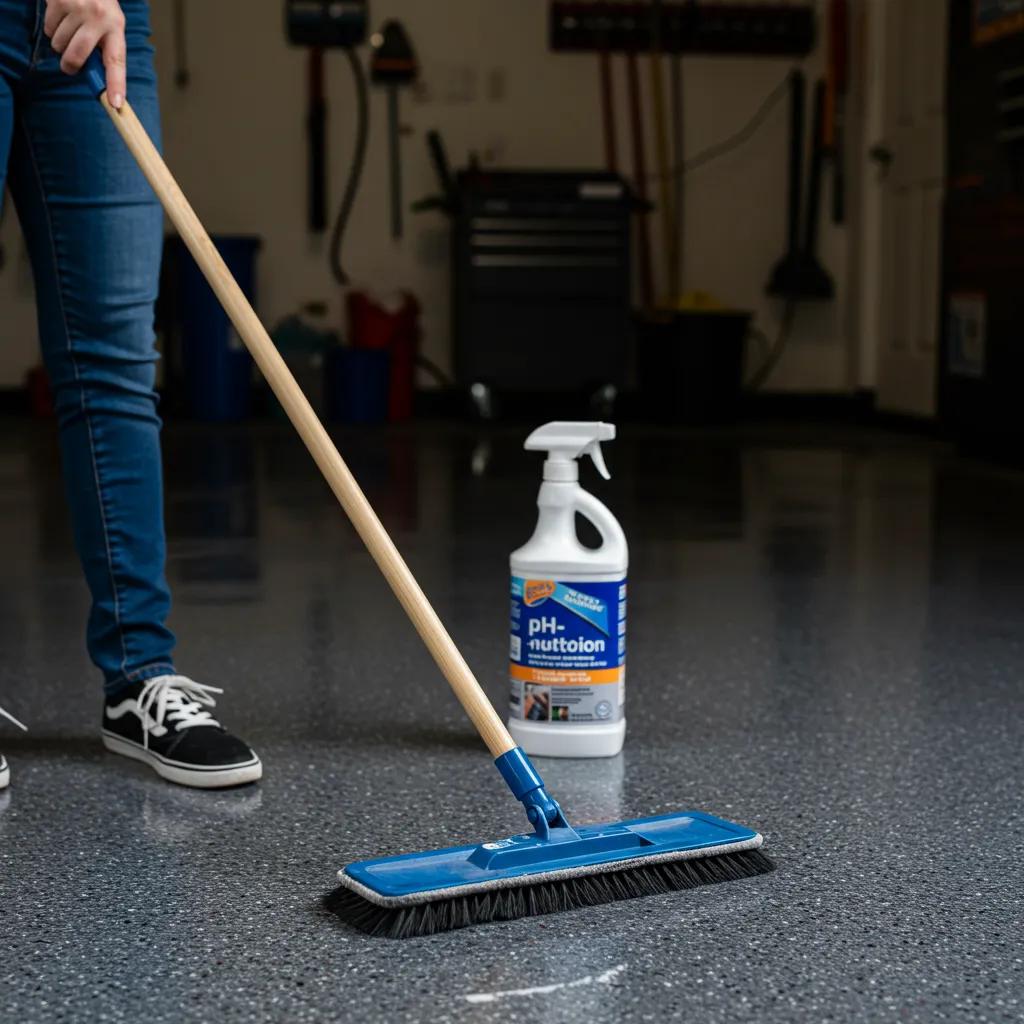
Consistent maintenance extends system life: routine sweeping and pH-neutral mopping remove abrasive dirt, while immediate cleanup of automotive fluids prevents staining and chemical attack. Periodic inspection of high-traffic zones helps catch wear and chips early so spot repairs can be made before delamination spreads, and recoat intervals can be scheduled proactively based on observed wear rather than waiting for failure. Using proper cleaning products avoids stripping topcoats or weakening adhesion, and applying non-yellowing topcoats in sun-exposed areas mitigates UV-related finish issues. These practices keep annual maintenance costs low and protect the initial investment.
When Should You Choose DIY vs. Professional Installation?
Choose DIY for small, sound concrete slabs and simple clear epoxy coats if you have the time, tools, and comfort with surface prep; DIY suits budget-constrained homeowners willing to accept some finish variability. Opt for professional installation for large garages, damaged or moisture-challenged slabs, decorative metallic systems, or when warranty and fast, reliable turnaround are essential—professionals bring equipment, moisture testing, and skill that reduce failure risk. Evaluate factors such as slab condition, desired finish complexity, time availability, and willingness to accept rework when weighing the two approaches. For many homeowners, a hybrid approach—professional prep plus homeowner-applied topcoat—can strike a balance between cost and quality.
This article has outlined epoxyflooring chemistry, component roles, detailed and comparative cost analysis, factors that drive price, lifecycle ROI considerations, side-by-side comparisons with alternative coatings, and practical maintenance and decision frameworks to inform whether epoxycoating is a sound investment for your garage.
About the Author — Jonathan Welter
Jonathan Welter is the Owner and Founder of MW Floor Shield, a leading North Carolina company specializing in polyaspartic and epoxy garagefloor coatings. With over 20 years of experience in concrete protection systems, Jonathan helps homeowners protect and enhance their spaces with long-lasting, low-maintenance finishes.
To request a free quote or learn more about garage floorcoating solutions, visit MWFloorShield.com
