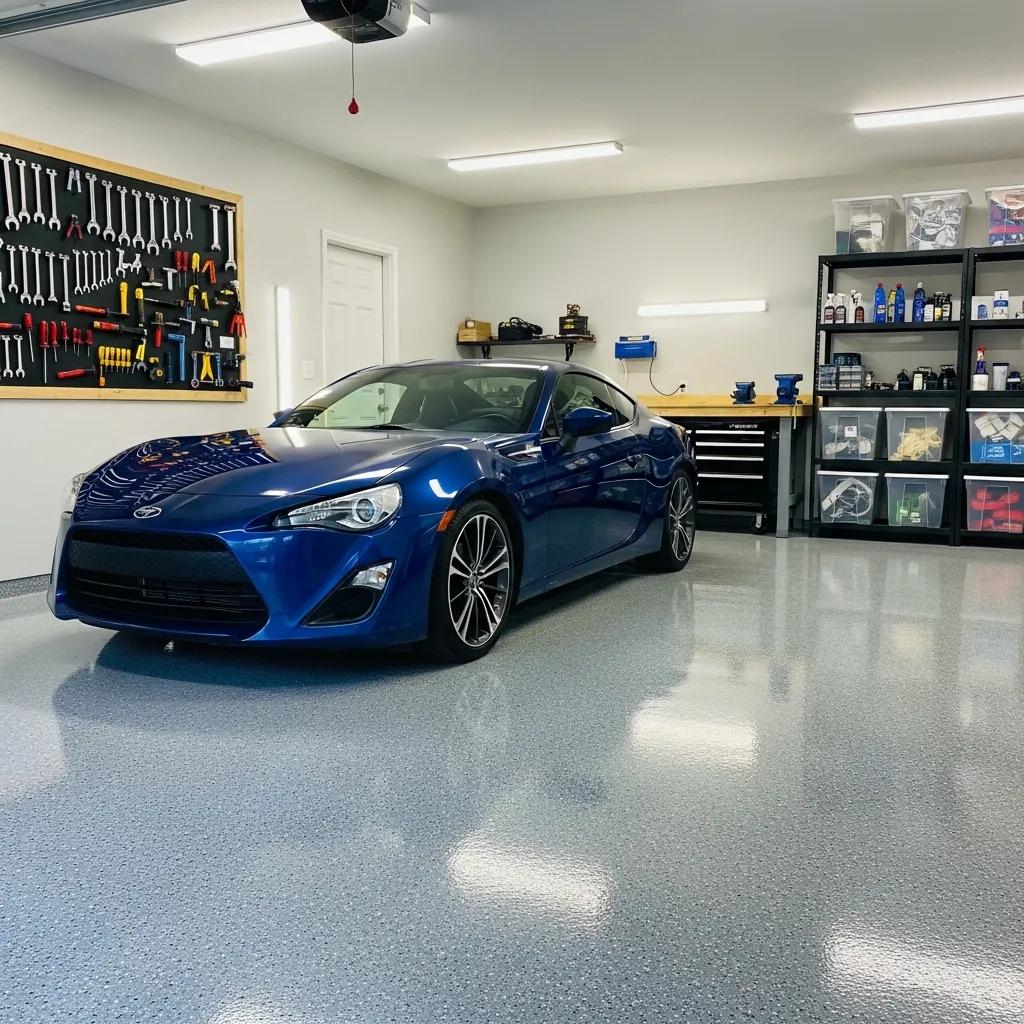
Enhance Aesthetics with Top Garage Floor Coatings
Your garage floor takes a beating—cars, tools, spills, and constant traffic. A quality floor coating protects the concrete and gives the space a cleaner, more finished look. This guide explains how coatings extend a floor’s life, the options available, and simple care tips to keep your garage looking sharp. We’ll cover common problems like wear, moisture, and stains, and show how the right coating solves them. You’ll also learn when professional installation matters and how to maintain a long-lasting finish.
What Are the Key Benefits of Garage Floor Coatings?
Floorcoatings deliver practical and visual benefits. They form a tough surface that resists wear, stains, and chemical spills—perfect for high-traffic garages. Coatings also offer a range of colors and finishes, so you can match your style or create a clean, workshop-ready look. Finally, coated floors are easier to clean, which saves time and keeps the space looking maintained with minimal effort.
How Do FloorCoatings Improve Garage Floor Durability?
Coatings boost durability by creating a protective layer between your concrete and whatever life throws at it. They shield against impacts, vehicle fluids, and abrasive wear. Epoxysystems adhere tightly to concrete and resist many chemicals, while polyaspartic products resist UV damage and cure quickly. Those properties cut down on repairs and help your floor last longer.
Epoxy resins combine processing versatility with strong cured properties, which is why they’re a mainstay in durable coating systems.
Why Epoxy Resins Work Well in Durable CoatingsEpoxy resins are widely used because they’re easy to formulate for the right flow and cure, offer choices of hardeners for different conditions, and cross-link without releasing volatiles. The cured material shrinks little, stands up to heat and chemicals, and delivers mechanical properties that outperform many alternatives. Coatings and other applications of epoxy resins, 1993
In What Ways Do FloorCoatings Enhance Garage Aesthetics?
A new coating can transform a dull concrete slab into a clean, attractive surface. Choose from solid colors, decorative flakes, or metallic finishes to suit your space—whether you want a sleek workshop, a showroom look, or something in between. These finishes hide minor imperfections and make the whole garage feel more intentional and well cared for.
Which Types of Garage Floor Coatings Offer the Best Durability and Visual Appeal?
Picking the right coating depends on how you use the garage. Epoxy, polyaspartic, and polyurea are the most common choices, each with strengths that fit different needs—cost, cure time, UV stability, and flexibility.
What Are the Characteristics and Advantages of EpoxyGarage Floor Coatings?
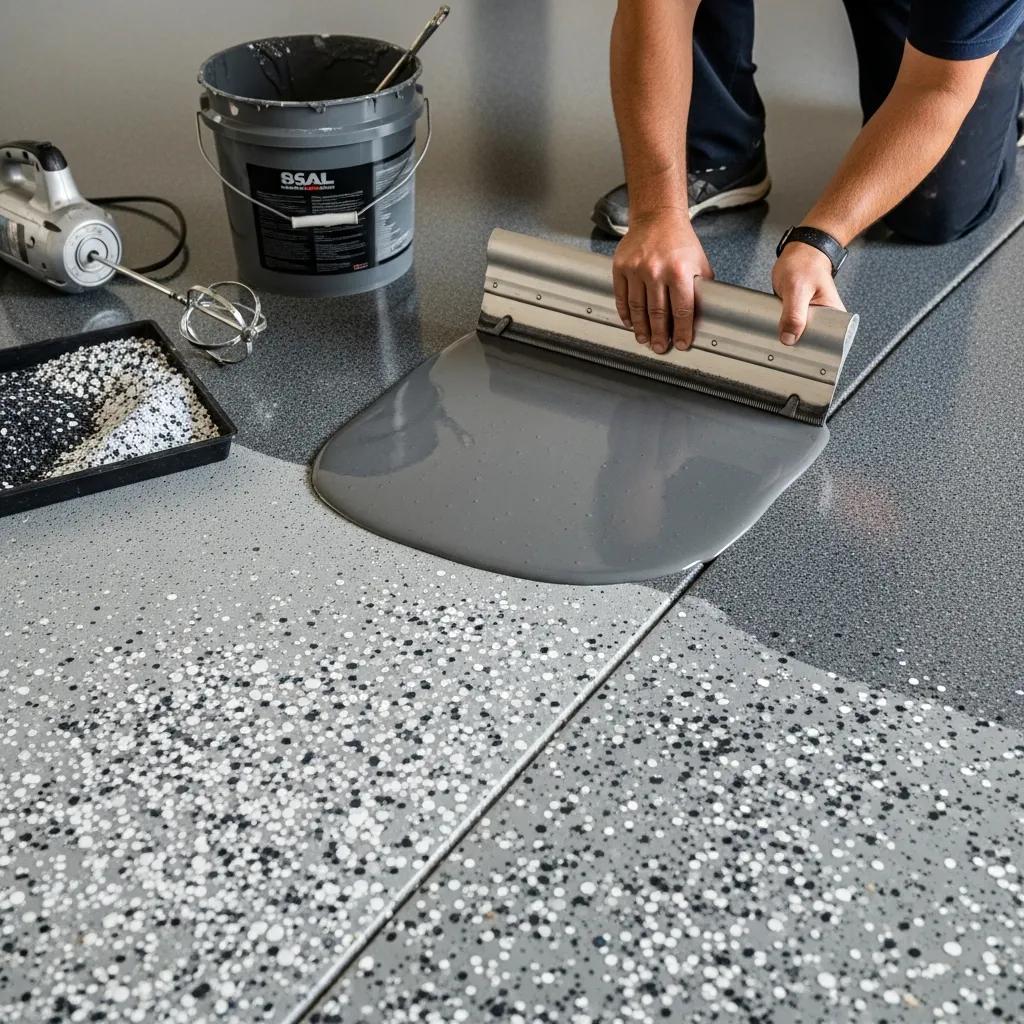
Epoxycoatings are popular because they offer a durable, cost-effective layer that bonds well to properly prepared concrete. Mixed from a resin and a hardener, epoxy resists stains, many chemicals, and abrasion—making it a reliable choice for daily garage use. You can also customize epoxy with colors and flakes to enhance the floor’s look.
Applied correctly, epoxysystems provide lasting protection and a significant visual upgrade to garagefloors.
Epoxy: Durable Protection and Better-Looking FloorsEpoxy floorsystems are commonly used in commercial and residential settings for their combination of durability and aesthetic flexibility—ideal when you want a long-lasting, attractive surface. Study of various epoxy‐based surface coating techniques for anticorrosion properties, T Ramakrishnan, 2022
How Do Polyaspartic and PolyureaCoatings Compare in Performance and Appearance?

Polyaspartic and polyurea are high-performance options. Both cure quickly and stand up well to wear. Polyaspartic is prized for fast return-to-service and strong UV stability (it won’t yellow), while polyurea offers excellent flexibility and crack resistance—good for climates with big temperature swings. Both deliver glossy, eye-catching finishes.
Coating Type
Durability
Aesthetic Options
Curing Time
Epoxy
High
Various colors and finishes
24-72 hours
Polyaspartic
Very High
High-gloss, UV stable
1-2 hours
Polyurea
Very High
Flexible designs
1-2 hours
How Do FloorCoatings Address Common Garage Floor Problems?
How Do Coatings Prevent and Repair Concrete Cracks and Pitting?
Coatings can mask small surface cracks and fill pitted areas when the substrate is prepared correctly, creating a seamless, protective layer. That barrier keeps water and contaminants out, slowing further deterioration. Major structural cracks should be repaired before coating to ensure a durable result.
What Waterproofing Solutions Protect GarageFloors from Moisture Damage?
Moisture is a primary concern for concrete. Many coatings include moisture-resistant formulations to prevent water from migrating through the slab and damaging the finish. Polyaspartic systems are especially good at resisting moisture and humidity, but proper surface prep and moisture testing are essential for any coating to adhere and perform as intended.
Specialized epoxy formulations are engineered to offer improved moisture and corrosion resistance—important where damp conditions are a risk.
Formulations Designed for Moisture and Corrosion Resistance Certain epoxy products have been developed to deliver low viscosity, fast reactivity, and enhanced moisture or corrosion resistance—features that matter for garage floor protection. Waterborne Epoxy Dispersions and Curing Agents for GARAGE FLOOR COATINGS., 2015
Why Is Professional Garage Floor Coating Installation Important?
What Are the Benefits of Expert Surface Preparation and Application?
Proper surface preparation is the most important step for a lasting floor. Professionals clean, repair, and profile the concrete—using methods like grinding or shot blasting—so the coating bonds correctly. They also apply primers and control environmental conditions during cure to prevent problems like bubbling, peeling, or uneven coverage.
How Does a Free Garage Floor Inspection Identify Your Specific Needs?
A complimentary inspection can reveal issues you might not see—moisture, hidden damage, or contamination—so installers can recommend the right system. That assessment ensures you choose a coating that matches your garage’s condition and intended use.
How Can Homeowners Maintain and Extend the Life of Coated GarageFloors?
What Are the Best Cleaning Practices for Garage Floor Coatings?
Keep the floor tidy with regular sweeping and occasional mopping using a mild detergent. Avoid harsh solvents or abrasive pads that can dull the finish. Wipe up spills quickly—most coatings resist stains, but prompt cleaning helps preserve the appearance.
How Can You Maximize the Longevity of Your Garage Floor Coating?
Protect your investment by using mats where heavy traffic or dropped tools are likely, and avoid dragging sharp or heavy objects across the surface. Inspect the coating periodically and touch up any damage early to prevent larger repairs. With routine care, a properly installed coating will perform for years.
In short, a quality floor coating both protects your concrete and elevates how your garage looks. Understanding the different systems and pairing the right product with proper installation and maintenance will give you a long-lasting, attractive result.
Frequently Asked Questions
What factors should I consider when choosing a garage floor coating?
Think about how you use the garage: vehicle traffic, chemical exposure, and whether you need quick return-to-service. Consider desired aesthetics, UV exposure, and your budget. Also factor in whether the concrete needs repairs or moisture mitigation—those conditions influence the best coating choice.
How long do garage floor coatings typically last?
Longevity depends on the product and conditions. Epoxysystems commonly last 5 to 10 years. Polyaspartic and polyureaoptions can exceed 10 years with proper care. Heavy usage, chemical exposure, and poor preparation can shorten lifespan; regular maintenance helps extend it.
Can I apply a garage floor coating myself, or should I hire a professional?
DIY kits exist and can work for small, simple projects, but professionals offer reliable surface prep, correct mixing, and controlled application conditions. For best long-term results—especially on large or problematic floors—hiring an experienced installer is recommended.
What maintenance is required for garage floor coatings?
Routine care is simple: sweep, mop with mild detergent, and clean spills quickly. Avoid harsh cleaners or abrasive tools. Check for chips or worn areas and repair them before they spread. Placing mats under workstations and heavy equipment reduces wear.
Are there eco-friendly options for garage floor coatings?
Yes—many manufacturers offer low‑VOC and water‑based coatings that reduce environmental impact and improve indoor air quality while still providing good durability and appearance. Look for product certifications and manufacturer data that confirm low emissions.
How do I prepare my garage floor before applying a coating?
Start by removing dirt, oil, and existing coatings. Repair cracks and patch pitted areas. Profile the surface with grinding or shot blasting to ensure adhesion. Conduct moisture testing to confirm the slab is suitable for coating. Proper prep is the most important step for a lasting finish.
Conclusion
Choosing the right garage floor coating gives you real, long-term value: protection from wear, better resistance to moisture and stains, and a finished look that improves the entire space. When you combine a suitable product with professional installation and simple maintenance, your floor will perform and look great for years. Explore our selection of premium coatings to find the solution that fits your garage and lifestyle.
