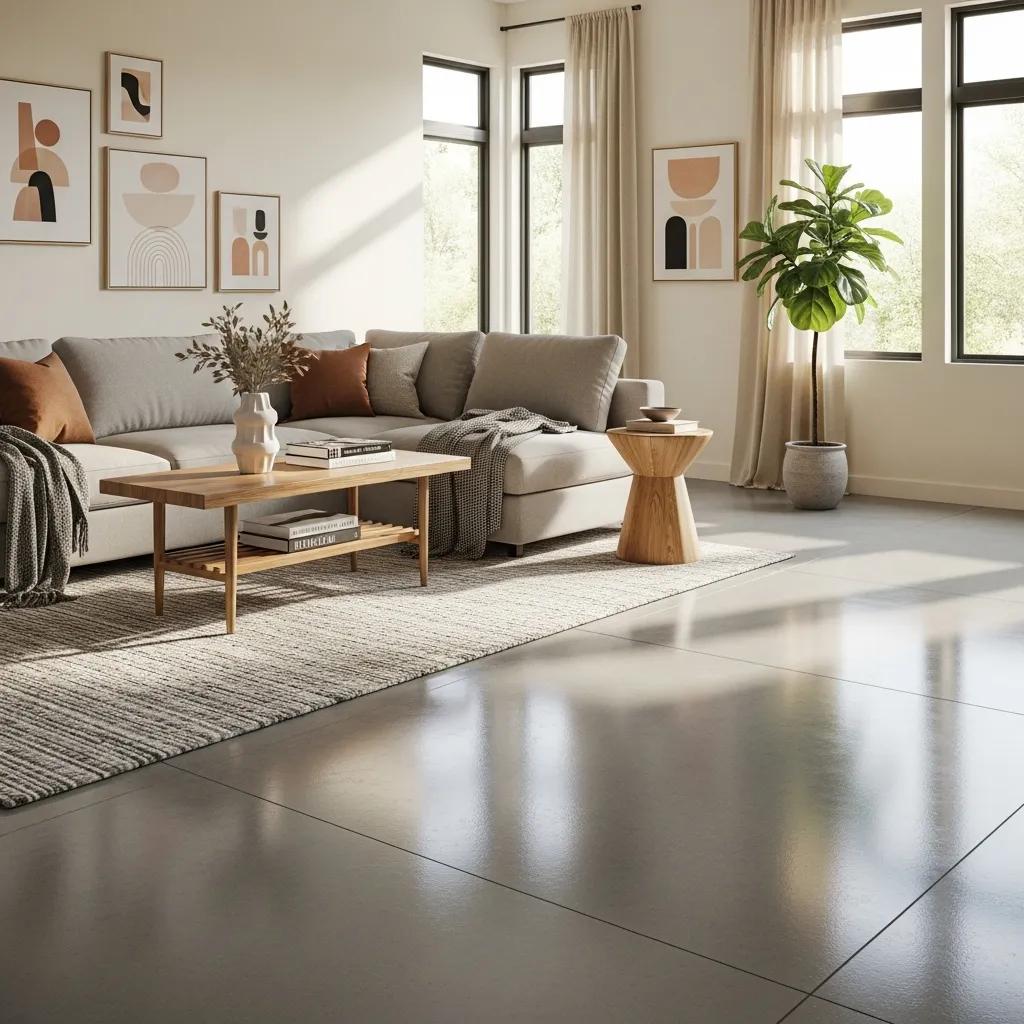
Upgrade Your Garage: Why Polyaspartic Coatings Shine in 2026
Polyaspartic concretecoatings are becoming a go-to flooring solution for homes and businesses. Below we explain why — focusing on durability, fast cure times, and long-term value. If you’re tired of slow, fragile floorsystems, polyaspartic finishes offer a reliable alternative that reduces downtime and looks great for years. This article compares polyaspartic to epoxy, explores garage and home applications, covers waterproofing and concrete repair, and explains how to book a free inspection for your project.
What Makes Polyaspartic ConcreteCoatings Superior to Epoxy in 2026?
Polyaspartic coatings are gaining traction because they combine faster curing, stronger wear resistance, and better flexibility than many traditional epoxysystems. Those differences matter for both daily use and long-term performance.
How Do Cure Times of Polyaspartic and Epoxy Compare and Affect Homeowners?
Polyaspartic coatings typically cure in 2–4 hours, so floors can be back in service the same day. That fast turnaround minimizes disruption for busy households and commercial sites. By contrast, epoxy often needs 24–72 hours to fully cure, which can delay use and require longer project windows.
Fast cure times are one of the most practical benefits of polyaspartic chemistry, and published research supports their quick reactivity.
Fast-Curing Polyaspartic Coatings for Rapid Application Because polyaspartic acid esters (PAAE) react quickly with isocyanates, they are commonly used in fast‑curing coating formulations. Optimization of microencapsulation of polyaspartic acid ester into UV curable epoxy‐acrylate resin using Taguchi method of experimental design, 2024
What Are the Key Differences in Durability, Flexibility, and UV Stability?
Polyaspartic coatings resist scratches, stains, and impact better than many epoxies, while keeping enough flexibility to resist cracking and delamination. They also show excellent UV stability, so colors stay truer and resist yellowing from sunlight—an area where some epoxies fall short.
What Are the Top Benefits of Polyaspartic Garage FloorCoatings for Homeowners?

For garage floors, polyaspartic coatings deliver practical advantages that matter day to day.
Chemical Resistance: These coatings stand up to oils, gasoline, and common household chemicals, so spills clean up without lasting damage.
Rapid Installation: Fast curing often lets installers complete a garage project in a single day, cutting downtime.
Low Maintenance: After installation, routine cleaning with mild soap and water keeps the floor looking new—no frequent resealing required.
If you’re considering an upgrade, a free inspection is a good first step to see what will work best for your space.
How Does Polyaspartic Provide Superior Chemical, Stain, and Impact Resistance?
Formulated for toughness, polyaspartic finishes resist common garage hazards like automotive fluids and stains. Their composition helps prevent permanent marks, and good impact resistance means dropped tools or equipment are less likely to damage the finish.
Laboratory studies also highlight the mechanical strength and protective qualities of polyaspartic polyurea formulations.
Polyaspartic Polyurea: High-Strength Concrete Protection This study developed a polyaspartic ester polyurea coating and tested its adhesion to concrete. The formula showed strong mechanical performance, including a bonding strength of 4.5 MPa, tensile strength of 16.4 MPa, and elongation at break of 456%. Research on the formula of polyaspartic ester polyurea concretecoating and its application, L Chen, 2013
Why Is Rapid Installation and Low Maintenance Important for Garage Floors?
Quick installation means you regain use of your garage fast—often the same day—so projects are less disruptive. Low maintenance saves time and money over the life of the floor because you won’t need frequent repairs or resealing.
How Can Polyaspartic Coatings Transform Various Home Floor Applications in 2026?

Polyaspartic coatings work beyond garages—basements, patios, and walkways all benefit from their durability and weather resistance.
What Are the Advantages of Polyaspartic for Basements, Patios, and Walkways?
In basements, polyaspartic creates a moisture‑resistant surface that helps limit mold and dampness. On patios it improves appearance and adds slip resistance for safety. Walkways get long-lasting color and UV resistance so they remain attractive despite sun and weather exposure.
What Should Homeowners Expect During the Polyaspartic Installation Process?
Installations are straightforward: we clean and, when needed, grind the surface to promote adhesion, repair any damage, then apply the coating. Because the product cures quickly, usable time is a fraction of what epoxy requires.
Why Are Waterproofing and Concrete Repair Services Essential Alongside Polyaspartic Coatings?
Polyaspartic coatings protect the surface, but the best long-term results start with sound concrete. Addressing structural or moisture issues first prevents future failures and ensures the coating performs as intended.
How to Identify Common ConcreteFloor Problems That Require Repair?
Look for cracks, spalling, uneven sections, and signs of water damage. These conditions can undermine adhesion and should be repaired before coating. A professional inspection will spot less obvious problems early.
What Advanced Waterproofing Solutions Complement Polyaspartic Floor Protection?
Sealants, membranes, and specialty primers can be applied prior to the polyaspartic system to block moisture and improve adhesion. Using the right prep products extends the life and effectiveness of the finish.
How Does Choosing Polyaspartic Coatings Represent a Smart Long-Term Investment in 2026?
Choosing polyaspartic often pays off over time: higher upfront costs are offset by longer life, lower maintenance, and fewer replacements compared to some alternatives.
What Is the Cost-Benefit Analysis of Polyaspartic Versus Epoxy Over Time?
Although polyaspartic may cost more initially than epoxy, its durability and reduced maintenance usually result in lower lifetime costs. Fewer repairs and a longer service life make it a more economical choice for many homeowners.
How Do Low VOCs and Environmental Benefits Impact Homeowner Decisions?
Many polyaspartic formulations have low to moderate VOC levels, comparable with or lower than some epoxies, which helps indoor air quality. Their long lifespan also reduces material waste and replacement frequency—both meaningful environmental benefits.
How Can Homeowners Schedule a Free Inspection to Start Their Polyaspartic Floor Upgrade?
Booking a free inspection is the best first step to understand your options and get a clear plan tailored to your space and budget.
What Does a Professional Free Floor Inspection Include?
A typical inspection assesses floor condition, identifies any needed repairs, and recommends the right coatingsystem. You’ll get a clear explanation of the installation steps, timeline, and estimated costs so you can decide with confidence.
How Does Scheduling an Inspection Lead to Informed Flooring Decisions?
An inspection gives you the facts about your floor’s condition and the options that fit your needs and budget. That information helps you choose the best solution without surprises.
Feature
Polyaspartic Coatings
EpoxyCoatings
Cure Time
2-4 hours
24-72 hours
Durability
High
Moderate
UV Stability
Excellent
Poor (prone to yellowing)
Chemical Resistance
Superior
Good
The table highlights clear practical advantages of polyaspartic systems over many conventional epoxies—especially where speed, UV stability, and chemical resistance matter.
Overall, polyaspartic concretecoatings deliver fast installation, strong durability, and low upkeep, making them an excellent choice for homeowners in 2026. If you’re ready to upgrade your floors, start with a free inspection to see how polyaspartic can work for your space.
Frequently Asked Questions
What are the environmental benefits of using polyaspartic coatings?
Polyaspartic coatings often have low to moderate VOC levels, which supports better indoor air quality compared with higher‑VOC alternatives. Their long lifespan also reduces the need for replacements, cutting waste and material use over time.
Can polyaspartic coatings be applied over existing flooring?
Yes — when the surface is properly prepared. That can include cleaning, grinding, and repairing damaged areas to ensure strong adhesion. A professional assessment will determine whether your existing floor is a good candidate.
How do polyaspartic coatings perform in extreme weather conditions?
Polyaspartic coatings tolerate a wide range of temperatures and humidity levels, which makes them suitable for both indoor and outdoor applications. Their UV stability and weather resistance make them a solid option for patios and walkways.
What maintenance is required for polyaspartic-coated floors?
Maintenance is simple: routine cleaning with mild soap and water is usually enough. These floors don’t need frequent resealing. Avoid harsh chemicals that could shorten the coating’s life.
Are there any limitations to using polyaspartic coatings?
Polyaspartic coatings aren’t the right choice for every situation. They can have a higher upfront cost than basic epoxies, and successful application depends on proper temperature and humidity during installation. A professional evaluation will confirm whether they’re the best fit.
How long can homeowners expect polyaspartic coatings to last?
With normal use and basic care, polyaspartic coatings can last 10–20 years or more. Their resistance to scratches, stains, and UV damage contributes to a long service life, making them a strong long-term investment.
Conclusion
Polyaspartic concretecoatings offer a compelling combination of rapid installation, long-lasting durability, and low maintenance—making them a smart choice for many homeowners in 2026. They address common flooring pain points while improving both function and appearance. To learn how polyaspartic can improve your space, schedule a free inspection and get a clear plan tailored to your needs.
