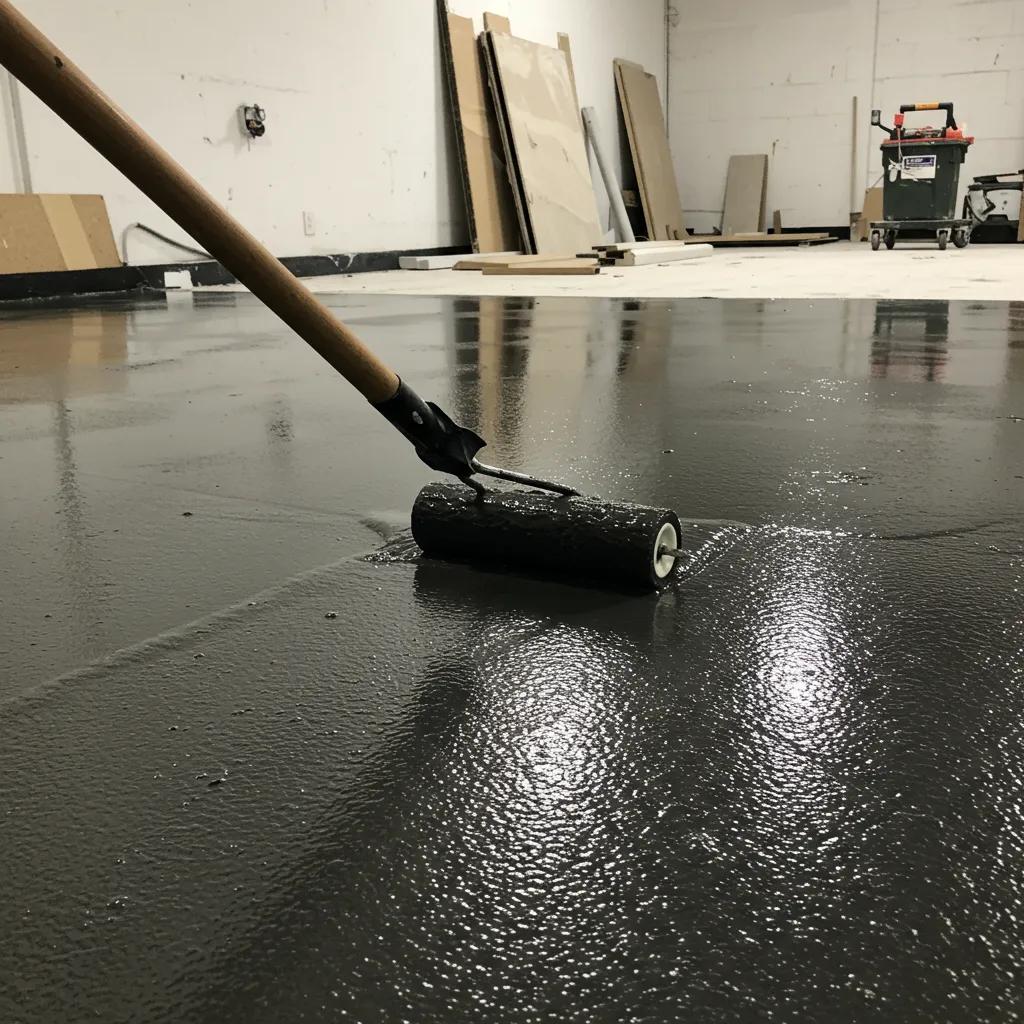
Polyaspartic vs. Epoxy: Best Floor Covering for Your Garage
Polyaspartic Floor Covering vs. Epoxy: Which Is Right for Your Garage?
By Jonathan Welter, Owner of MW Floor Shield — Experts in Polyaspartic & Epoxy Floor Coatings.
Jonathan Welter leads MW Floor Shield, a North Carolina-based company specializing in polyaspartic garage floor coatings, epoxy alternatives, and durable concrete protection systems. His expertise in floorcoating technology and surface restoration helps homeowners and businesses achieve long-lasting, beautiful floors.
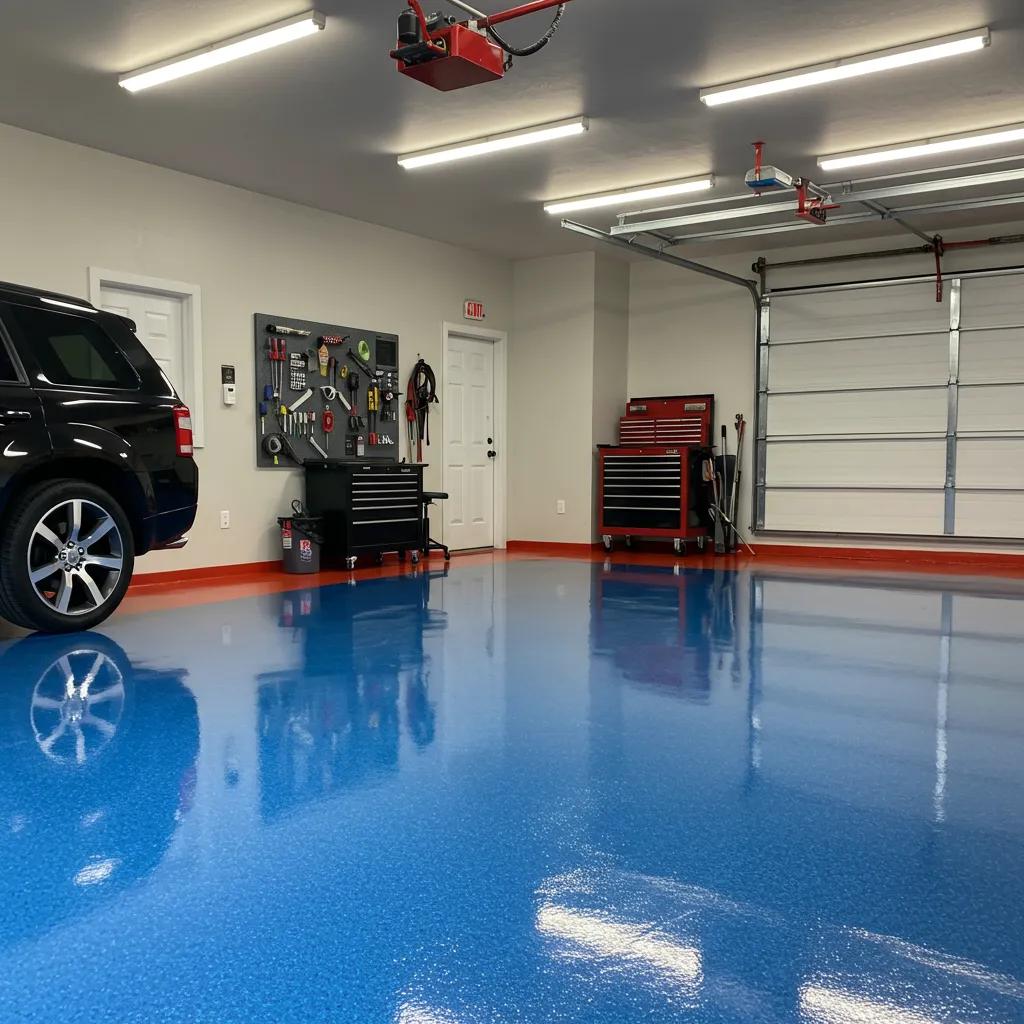
Polyaspartic and epoxy are two leading floor coverings for garageconcrete, and choosing between them hinges on cure time, UV stability, cost, and the garage’s intended use. This article explains what each coating is, how they work as concrete surface treatments, and which performance attributes—durability, chemical resistance, flexibility, and maintenance—matter most when selecting a garagefloorcoating. Readers will learn the differences in application windows and cure times, practical pros and cons for DIY versus professional installs, and a decision framework that maps common garage use cases to the best coating choice. We'll also compare lifecycle cost, VOC and environmental considerations, and maintenance routines to preserve a coated surface. Follow the H2 sections that define epoxy and polyaspartic, show side-by-side comparisons and EAV tables, list pros and cons, and finish with actionable guidance and concise FAQ answers to help you decide for your garage.
What Are Epoxy Floor Coatings and Their Key Features?
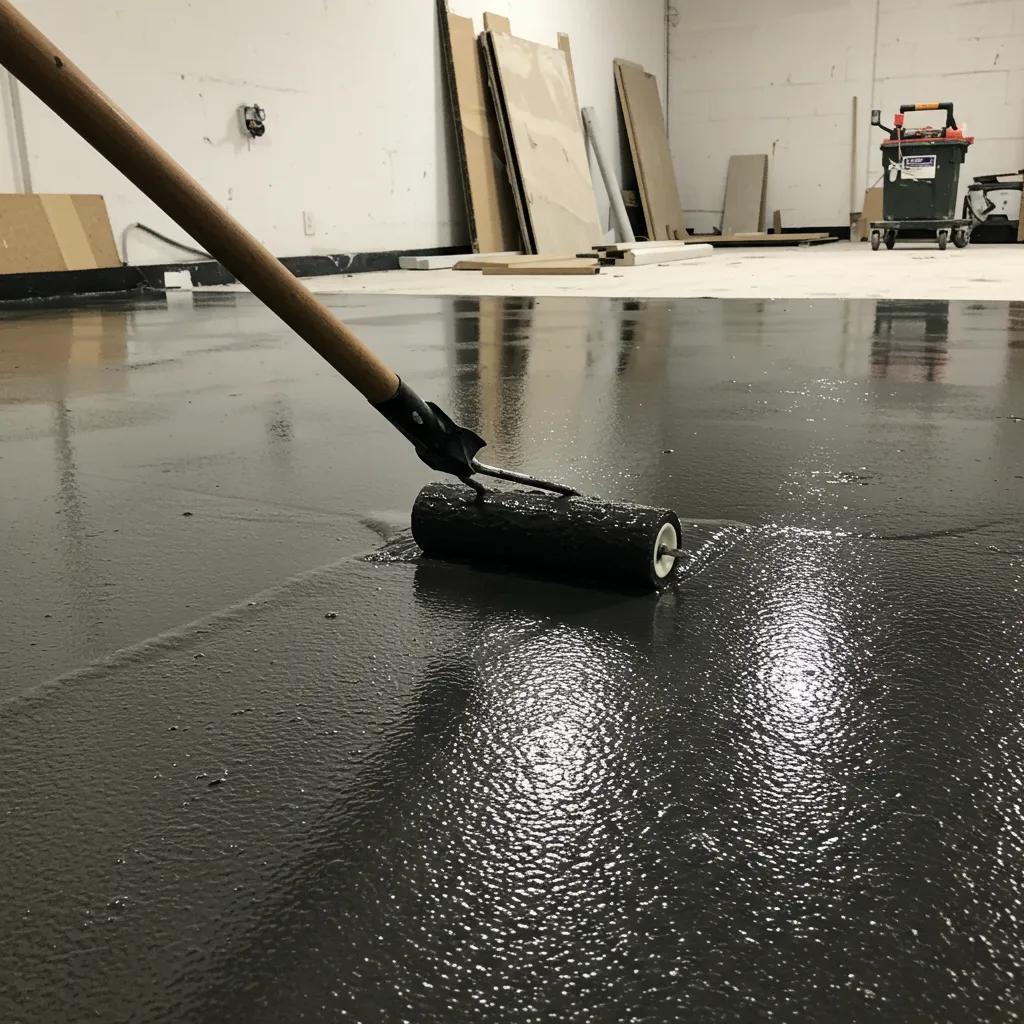
Epoxy floor coatings are two-component resin systems that chemically crosslink on concrete to form a hard, protective basecoat, and they are widely used as an affordable decorative and protective floor covering. The epoxy mechanism binds to the concrete substrate after proper surface prep, creating a dense, abrasion-resistant layer that resists many household chemicals and provides an aesthetic base for flakes or metallic finishes. Epoxy systems come in water-based, solvent-based or 100% solids formulations, and they are commonly used for basic parking, light workshop floors, and decorative garage transformations. Below is a brief list of epoxy types and their typical tradeoffs to clarify choices for homeowners and DIYers.
Epoxy formulations and uses include:
100% Solids Epoxy: High solids deliver thicker films and superior durability for heavy-duty garage traffic.
Water-Based Epoxy: Easier to apply and lower VOCs, with moderate durability for light to moderate use.
Solvent-Based Epoxy: Faster drying and good adhesion, but higher VOC content and stronger odors.
These epoxy varieties demonstrate how performance and environmental attributes trade off against cost and DIY-friendliness, which leads into specifics about composition, application steps, and cure characteristics.
What Is Epoxy and How Is It Used for Garage Floors?
Epoxy is a polymeric protective coating formed by mixing a resin and a hardener that react to create a crosslinked thermoset layer on concrete. Typical application begins with concrete preparation—mechanical shot-blasting or grinding—followed by concrete repair, primer application, basecoat, decorative flakes or metallic effects, and a clear topcoat for abrasion resistance. Common epoxy use cases include basic parking garages and hobby workshops where budget and aesthetics are key, and decorative flake systems are popular because they hide imperfections and add slip resistance. Epoxy application windows vary by formulation; 100% solids require careful mixing ratios and can be more forgiving in long pot life formulas, while water-based systems are easier for DIYers but may need stricter moisture control. Understanding these application steps and types helps explain why epoxy remains a widely used floorcoating despite some performance tradeoffs.
What Are the Durability, UV Resistance, and Cure Time Characteristics of Epoxy?
Epoxy coatings typically cure to handle light foot traffic in 24–48 hours and can take several days to reach full chemical resistance and load-bearing strength, with full cure often quoted as 7 days depending on ambient temperature and humidity. Durability for epoxy ranges widely: quality 100% solids systems offer excellent abrasion and chemical resistance under normal garage conditions, while lower-solid or water-based epoxies may wear faster in high-traffic or chemical-exposed settings. One notable limitation is UV sensitivity—many epoxy formulations yellow or chalk when exposed to sunlight unless a UV-stable topcoat is used, which affects garages with sunlight through windows or open doors. Epoxy can be susceptible to hot tire pickup under certain conditions, and this manifests as softening or adhesive failures when a hot tire contacts the surface; mitigation involves proper topcoats, temperature control during application, and choosing formulations designed to resist hot-tire phenomena.
What Are Polyaspartic Floor Coatings and Their Main Advantages?
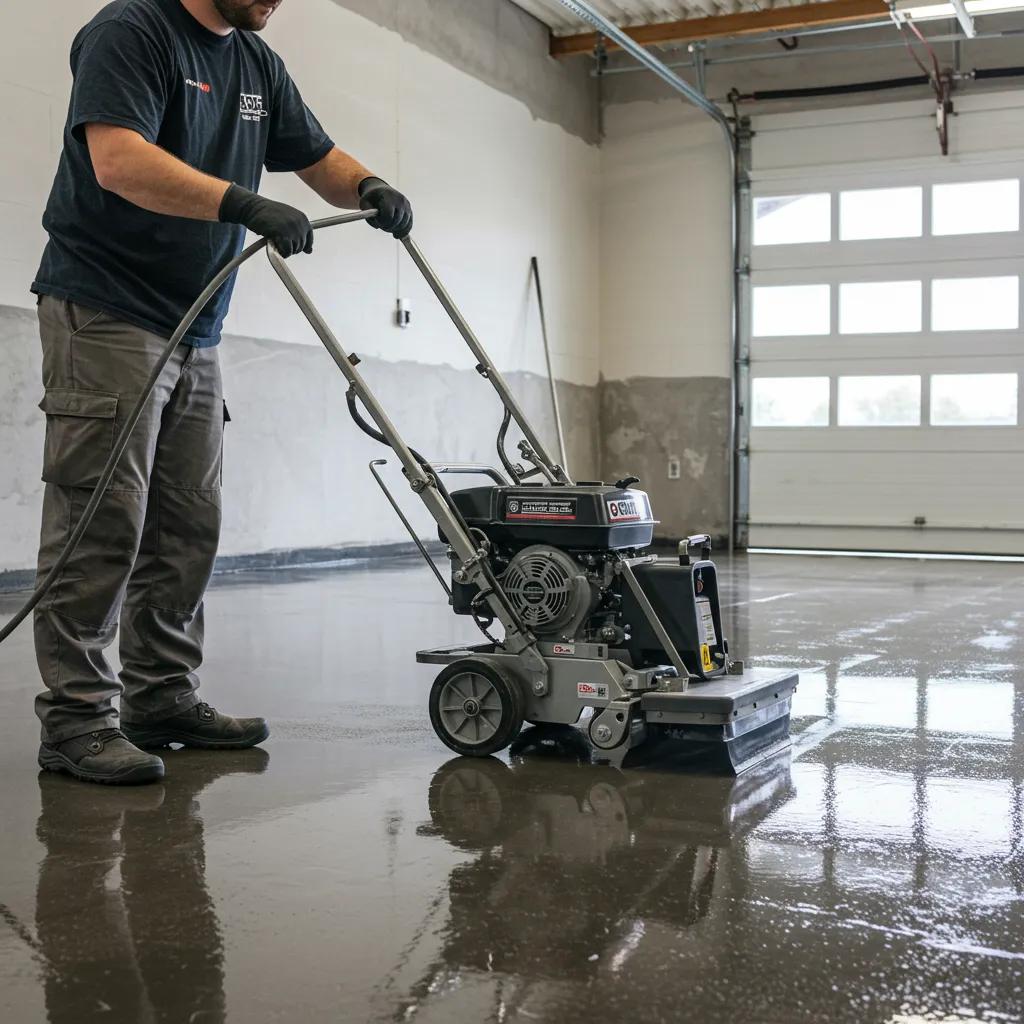
Polyaspartic floor coatings are part of the polyurea family and are aliphatic, fast-curingpolyurea-modified coatings that form a UV-stable, abrasion-resistant top layer over concrete. The mechanism relies on rapid chemical crosslinking and short pot life, which gives polyaspartic coatings the advantage of same-day or next-day return-to-service compared with epoxy. Key performance advantages include superior UV stability that resists yellowing, high chemical and abrasion resistance, and flexibility that tolerates minor substrate movement; the tradeoffs are higher material cost and the need for experienced applicators to manage quick working windows. Below is a short list summarizing major advantages for garage owners deciding between coatings.
Polyaspartic main advantages:
Fast Cure: Enables minimal downtime and quicker vehicle return compared with most epoxy systems.
UV Stability: Aliphatic chemistry resists yellowing and maintains color integrity in sun-exposed garages.
High Chemical and Abrasion Resistance: Suits heavy-duty workshops and high-traffic garages.
These attributes make polyaspartic coatings attractive when UV exposure, downtime, and long-term appearance are priorities, and they set the stage for a detailed comparison with epoxy on performance and cost.
What Is Polyaspartic and How Does It Differ from Epoxy?
Polyaspartic is an aliphatic polyurea derivative with faster reaction kinetics and a different polymer backbone than epoxy, producing a tougher, more UV-stable finish. The practical differences include a much shorter pot life and rapid cure—often measurable in minutes to hours—requiring experienced crews and controlled application temperatures to get consistent coverage. Polyaspartic's flexibility and abrasion resistance contrast with epoxy’s rigid, thick-film toughness; polyaspartic can bridge small substrate movements better while epoxy typically offers a stiffer protective layer. From an installation perspective, polyaspartic demands rapid mixing and application, often in narrower temperature windows, which is why many installers prefer to schedule polyaspartic projects under predictable conditions rather than as DIY weekend tasks.
How Do Polyaspartic Coatings Perform in Durability, UV Stability, and Cure Time?
Polyaspartic coatings deliver high abrasion and chemical resistance, with many systems rated better than standard epoxy in resisting gasoline, oils, and common household chemicals. Cure times are a defining performance metric: polyaspartic systems can often be walked on in 1–3 hours and returned to light vehicle use the same day, dramatically reducing downtime compared with epoxy. UV stability is another strength—aliphatic polyaspartic chemistries resist yellowing, which preserves decorative color and metallic effects in garages with sun exposure. These performance traits make polyaspartic especially suitable for collector garages, showrooms, and high-traffic workshop spaces where appearance and quick turnaround are priorities.
This case study details a successful residential garagefloor application using polyaspartic coatings.
Polyaspartic Flooring Case Study: Residential Garage Application Case History: Site-Applied Decorative Polyaspartic Flooring in a Residential GarageFloor Application
How Do Polyaspartic and Epoxy Compare: Which Is Better for Your Garage?
Deciding which coating is better depends on your garage’s exposure, traffic patterns, budget, and whether you prefer a DIY approach or professional installation. A compact comparison helps identify clear winners for specific attributes and scenarios: polyaspartic wins on cure time and UV stability, while epoxy commonly wins on upfront material cost and straightforward DIY options. The table below offers an attribute comparison to support decision-making, followed by narrative analysis and guidance for typical garage use-cases.
Before the comparison table, note that “floor coatings” is the hypernym for these systems, whose meronyms include primer, basecoat, decorative flake layer, and topcoat; understanding those parts clarifies how a hybrid system might combine benefits.
Attribute
Epoxy
Polyaspartic
Durability
Good-to-very-good (depends on solids)
Very good to excellent
UV Resistance
Susceptible to yellowing unless topcoated
High UV stability, resists yellowing
Cure Time
24 hrs to several days (full cure longer)
Hours to 24 hrs for service return
Chemical Resistance
Good (especially 100% solids)
Excellent (resists fuels and solvents)
Flexibility
Stiff, less forgiving of movement
More flexible, tolerates minor movement
Cost per sq ft
Lower material cost
Higher material cost
Maintenance
Periodic recoat, spot repairs
Less frequent recoats, easier upkeep
This EAV-style comparison demonstrates typical attribute tradeoffs and establishes when each coating excels. For a homeowner prioritizing minimal downtime and long-term appearance, polyaspartic often justifies higher upfront cost; for budget-focused DIYers prioritizing initial affordability, epoxy remains a strong choice.
How Do Durability, UV Resistance, and Chemical Resistance Compare?
Durability differences become apparent under heavy mechanical wear and chemical exposure: polyaspartic generally offers higher abrasion resistance and better long-term chemical stability, meaning less surface erosion and staining over time. Epoxydurability can be excellent with high-solids formulations but often requires more frequent maintenance in sun-exposed or chemically aggressive environments. UV resistance is a clear dividing line—polyaspartic’s aliphatic chemistry resists yellowing, whereas many epoxy systems degrade cosmetically unless protected, which matters for garages with windows or open bays. These material behaviors inform the choice for workshop garages versus basic parking, and they highlight when a hybrid—epoxy base with polyaspartic topcoat—can combine strengths.
What Are the Differences in Cure Time, Flexibility, and Maintenance?
Cure time influences logistics: polyaspartic systems enable same-day return-to-service and minimize downtime, while epoxy typically requires a 24–72 hour window before traffic and longer for full chemical cure. Flexibility matters for garages subject to temperature- or moisture-induced substrate movement; polyaspartic’s relative flexibility reduces cracking and delamination risk compared to rigid epoxies. Maintenance routines diverge as well—epoxy may need more frequent re-coating or spot repairs if UV or chemical damage occurs, while polyaspartic usually shows slower wear and less cosmetic degradation, reducing lifecycle maintenance frequency. These factors should shape whether you plan for occasional recoat cycles or expect longer intervals between maintenance actions.
How Do Cost and Environmental Impact Affect Your Choice?
Upfront material cost per square foot is typically lower for epoxy and higher for polyaspartic, but lifecycle cost analysis can narrow the gap when factoring in expected maintenance and recoat frequency over 10–20 years. Environmental concerns include VOCs—water-based and low-VOC epoxy formulations mitigate emissions compared to older solvent-based options, while many modern polyaspartic products also offer lower VOC profiles. When environmental regulations or indoor air quality matter, selecting low-VOC formulations and ensuring proper ventilation during installation is essential. Cost decisions should consider material cost, labor complexity (polyaspartic often commands higher labor rates due to skill/time constraints), and long-term savings from reduced maintenance or earlier recoat avoidance.
What Are the Pros and Cons of EpoxyGarage Floor Coatings?
Epoxy provides a balance of affordability, decorative options, and performance for many garage owners, but it carries limitations that influence suitability. The following paragraphs list epoxy benefits and common downsides to clarify tradeoffs for different garage scenarios. After the lists, a short summary will help you weigh epoxy against alternatives like polyurea or decorative epoxy systems.
Benefits of epoxy include:
Affordability: Lower material cost per square foot makes epoxy attractive for budget projects.
DIY Accessibility: Many homeowner kits and water-based formulations are available for competent DIYers.
Decorative Range: Flake and metallic finishes create durable, attractive surfaces that hide imperfections.
These pros make epoxy a go-to for basic parking garages and decorative upgrades. Next, examine typical limitations and mitigation strategies.
Common downsides and limitations of epoxy include:
UV Susceptibility: Many epoxies yellow in sunlight unless protected by a UV-stable topcoat.
Longer Downtime: Slower cure and longer time to full chemical resistance compared with polyaspartic.
Hot Tire Pickup Risk: Certain film builds and ambient conditions can cause hot tires to stick or mar the surface.
Mitigation tactics include adding UV-stable topcoats, scheduling installs for favorable temperatures, and choosing 100% solids formulations where hot-tire resistance is important. These strategies help extend epoxy life and reduce common failure modes.
What Benefits Does Epoxy Offer for Garage Floors?
Epoxy coatings offer a combination of protection and visual enhancement that suits many homeowner priorities, including improved abrasion resistance and easy-to-clean surfaces that resist common automotive fluids. The durability of a high-solids epoxy can sustain typical garage traffic and occasional chemical spills, and decorative flake systems add slip resistance while concealing substrate imperfections. For budget-conscious projects, epoxy delivers strong value through lower material costs and the availability of DIY-friendly kits that let homeowners apply a transformative finish without professional labor. Recognizing these benefits clarifies why epoxy remains widely used despite some technical limitations.
What Are the Common Limitations or Downsides of Epoxy?
Epoxy’s main limitations are its UV sensitivity, relatively long cure times, and potential for hot-tire pickup under adverse conditions, each of which can reduce long-term aesthetics or function if not addressed. UV-induced yellowing can be avoided with a UV-stable clearcoat, but that adds cost and application complexity. Longer cure times increase downtime and may complicate scheduling for busy homeowners, and temperature or moisture during application can compromise adhesion and cure. Understanding these limitations helps homeowners select the right epoxy formulation and mitigation steps to maximize coating performance.
What Are the Pros and Cons of Polyaspartic Garage Floor Coatings?
Polyaspartic coatings deliver rapid cure and long-lasting appearance, making them ideal for garages where uptime and color stability are priorities, but they also require skilled application and higher investment. The following lists summarize core advantages and potential challenges for homeowners evaluating polyaspartic as a garagefloorcoating. After these lists, practical recommendations show when polyaspartic is the preferred choice.
Key advantages of polyaspartic flooring include:
Rapid Cure and Low Downtime: Enables same-day or next-day vehicle return-to-service for many systems.
UV and Color Stability: Maintains color and gloss without yellowing, even with sun exposure.
Robust Chemical and Abrasion Resistance: Offers high performance in workshops and heavy-traffic settings.
These advantages make polyaspartic a compelling option for collector garages and high-use workspaces where appearance and durability both matter.
Potential disadvantages and challenges of polyaspartic include:
Higher Material and Labor Cost: Upfront price per square foot is typically higher than epoxy.
Short Pot Life and Narrow Working Window: Quick reaction times demand experienced applicators and controlled conditions.
Installer Skill Required: Inconsistent application can lead to defects, so contractor selection is important.
When the priority is performance and appearance with minimal downtime, polyaspartic often justifies the cost despite these challenges.
What Are the Key Advantages of Polyaspartic Flooring?
Polyaspartic flooring’s main advantage is its ability to shorten project timelines dramatically while offering superior UV resistance and high chemical and abrasion performance. Same-day service return reduces life disruption, and the aliphatic chemistry preserves decorative pigments and metallic effects without yellowing. For garages exposed to sunlight or used as showrooms, these properties protect both function and aesthetics. These performance advantages are why many professionals recommend polyaspartic for premium garage floors.
What Are the Potential Disadvantages or Challenges of Polyaspartic?
The primary challenges with polyaspartic installation are the need for rapid, skilled application and the higher cost profile, which can place it outside some homeowners’ budgets. Quick pot life means the crew must work efficiently and often in specific temperature/humidity ranges; mistakes are harder to correct than with slower-curing epoxies. Selecting qualified applicators and planning for controlled conditions mitigates these risks and helps ensure a high-quality, long-lasting finish that delivers the coating’s intended benefits.
How to Choose the Best GarageFloorCoating for Your Needs?
Choosing the best coating requires assessing budget, usage, exposure, and preference for DIY versus professional installation; a structured approach helps map needs to the right system. Start by listing primary use-cases—basic parking, workshop, collector/showroom—and weigh factors such as UV exposure, chemical use, and acceptable downtime. Below is a practical mapping table that links common garage types to recommended coatings and the rationale for each recommendation.
Garage Use Case
Recommended Choice
Rationale
Basic parking / budget
Epoxy (water-based or 100% solids per budget)
Cost-effective, decorative, suitable for occasional vehicle use
Heavy workshop / chemicals
Polyaspartic or 100% solids epoxy with polyaspartic topcoat
Superior chemical and abrasion resistance; polyaspartic adds UV stability
Collector / showroom
Polyaspartic
UV stable, premium finish, minimal downtime preserves vehicle access
This EAV-style table directly maps common garage profiles to coating choices, supporting a data-driven selection process. With that mapping, consider the installation approach—DIY vs professional—next.
How Does Your Garage Environment Influence Coating Choice?
Sun exposure, temperature swings, and moisture all influence coating selection; garages with large windows or open bays favor UV-stable polyaspartic to prevent yellowing, while enclosed, low-sun garages can safely use epoxy formulations if budget is constrained. Cold climates affect cure times—both epoxies and polyaspartics have temperature windows for proper cure—so planning for adequate ambient temperature or scheduling during warmer periods matters. Moisture vapor transmission from concrete also affects adhesion; if high moisture is present, choose formulations rated for vapor mitigation or perform moisture testing and mitigation prior to coating. Assessing these environmental factors narrows choices and identifies whether additional substrate prep or specialty primers are required.
Should You Opt for DIY or Professional Installation?
DIY epoxy kits make epoxy accessible to capable homeowners and reduce labor costs, but professional installation provides superior substrate prep, consistent mixing, and warranty-backed work—especially for polyaspartic where fast pot life elevates risk for DIY installers. Pros can perform mechanical grinding or shot blasting, measure moisture vapor emissions, and apply primers and multi-layer systems correctly, which improves longevity and reduces failure risk. When budget allows and high performance or warranties matter, professional installation is often worth the investment; for smaller budgets and simple projects, a water-based epoxy DIY approach can still deliver good results with diligent prep.
What Are Hybrid Epoxy-Polyaspartic Systems and When Are They Ideal?
Hybrid systems commonly use an epoxy basecoat for adhesion and body-building, followed by a polyaspartic topcoat to combine epoxy’s substrate bonding with polyaspartic’s UV stability and quick recoat properties. This layering strategy can be cost-effective: the epoxy base provides fill and strong adhesion while a thinner polyaspartic clearcoat preserves appearance and shortens topcoat cure time. Hybrids are ideal when owners want the mechanical benefits and cost efficiency of epoxy with the appearance and durability improvements of polyaspartic, such as workshop garages that also require UV-stable, decorative finishes.
Epoxy Basecoat
Bonding and body
Good adhesion, fills minor imperfections
Decorative Layer
Flakes or metallics
Aesthetics and slip resistance
Polyaspartic Topcoat
UV and abrasion protection
Fast cure, long-term color stability
This case study highlights the effectiveness of polyaspartic coatings in a demanding commercial environment.
Polyaspartic Coating Case Study: Commercial Bakery Floor Case Study: A Polyaspartic Coating Made a Commercial Bakery Floor Look Really Sweet
What Are the Maintenance and Longevity Expectations for Garage Floor Coatings?
Understanding expected lifespans and maintenance keeps long-term costs predictable and performance steady for both epoxy and polyaspartic systems. Lifespan depends on traffic, chemical exposure, UV, and maintenance habits; planned maintenance includes routine cleaning, prompt spill response, and periodic spot repair or recoat. Below is a lifecycle table that outlines typical expected lifespans and maintenance actions to help homeowners plan costs and interventions over time.
Coating Type
Typical Lifespan (years)
Typical Maintenance Actions
Standard Epoxy (water-based)
5–10
Regular cleaning, prompt stain removal, spot repairs, recoat every 5–7 years
100% Solids Epoxy
7–12
Deep cleaning, occasional spot repair, recoat as needed based on wear
Polyaspartic
10–20+
Routine cleaning, occasional spot repairs, longer intervals between recoats
This table highlights that while upfront costs differ, polyaspartic typically provides longer service life and lower maintenance frequency, which can reduce lifecycle costs. The maintenance checklist below outlines actionable practices.
Regular Cleaning: Sweep and mop weekly to remove grit and automotive residues that abrade finishes.
Immediate Spill Response: Wipe oils, gasoline, and chemicals promptly to prevent staining or surface attack.
Periodic Inspection and Spot Repair: Address chips or delamination quickly to prevent moisture ingress and larger repairs.
How Long Do Epoxy and Polyaspartic Coatings Typically Last?
Epoxy lifespans vary with formulation and use—water-based systems often last 5–10 years under normal garage use, while high-solids epoxies can reach 7–12 years with good maintenance. Polyaspartic coatings commonly last 10–20 years or more under comparable conditions due to higher abrasion and UV resistance, translating to fewer recoats and lower lifecycle maintenance. Factors that shorten lifespan include heavy chemical exposure, abrasive debris, inadequate substrate prep, and UV exposure for non-UV-stable epoxies. Choosing the right system and committing to scheduled maintenance extends effective lifespan and improves long-term cost-effectiveness.
What Maintenance Practices Keep Garage Floors in Top Condition?
Effective maintenance centers on routine cleaning, protective habits, and timely repairs: sweep and damp-mop regularly, use pH-neutral cleaners for coated floors, and avoid harsh acids or strong solvents that can damage polymers. For spills, blot and clean immediately, and follow with a neutralizing rinse if required; for stains or abrasion, perform spot sanding and localized recoat using compatible materials. Plan a light inspection yearly and budget for minor repairs or a targeted recoat every 5–10 years depending on observed wear; these practices prevent major restoration and keep finishes performing optimally.
What Are the Most Frequently Asked Questions About Polyaspartic vs. EpoxyGarage Floors?
This FAQ-style section answers common buyer questions succinctly, using direct, actionable language to help readers make quick decisions. Each question is followed by a focused answer and qualifiers to guide real-world choices; these answers are optimized for quick snippet use and practical application.
Is Polyaspartic Better Than Epoxy for Garage Floors?
Polyaspartic can be better than epoxy when criteria prioritize UV stability, fast cure, and long-term appearance—such as collector or showroom garages—because polyaspartic resists yellowing and returns to service quickly. Epoxy can be better when initial budget constraints, DIY installation, or thick protective films are the priority, as it offers strong protective properties at lower material cost. Ultimately, "better" depends on the garage’s exposure to sunlight, expected traffic and chemical use, willingness to invest in skilled labor, and tolerance for downtime; weigh these criteria to decide which coating aligns with your priorities.
Can You Apply Polyaspartic Over Epoxy?
Yes, polyaspartic can be applied over a properly prepared and sound epoxy layer, provided the epoxy is fully cured, mechanically profiled, and free of contaminants; preparation often requires sanding or light abrasion to ensure adhesion. If the existing epoxy shows signs of failure—delamination, widespread cracking, or chemical degradation—full removal and substrate remediation are recommended before applying a new system. When overlaying, confirm compatibility between products and follow manufacturer guidelines for recoat windows, surface preparation, and moisture considerations to ensure long-term bond strength.
How Much Does Polyaspartic Cost Compared to Epoxy?
Typical cost per square foot varies by region and formulation, but broadly speaking epoxy has a lower material cost per square foot while polyaspartic commands a higher material and labor cost due to rapid application demands. Lifecycle cost analyses often narrow this gap as polyaspartic’s longer lifespan and reduced maintenance can offset higher upfront investment over a decade or more. Factors influencing final cost include substrate prep needs, decorative options (flakes or metallics), and whether a hybrid system is used.
What Are the Environmental Impacts of Each Coating?
Environmental impacts hinge on VOC content, solvent use, and disposal practices; modern water-based and low-VOC epoxy formulations reduce emissions compared with older solvent-based options, while many contemporary polyaspartic products are formulated for lower VOCs as well. Proper ventilation during application and adherence to disposal regulations minimize health risks and environmental harm. When indoor air quality or regulatory compliance matters, select products labeled low-VOC and follow manufacturer and local guidelines for safe application and waste handling.
About the Author — Jonathan Welter
Jonathan Welter is the Owner and Founder of MW Floor Shield, a trusted North Carolina company specializing in polyaspartic and epoxy floor coatings for residential garages, workshops, and commercial spaces. With over two decades of field experience in concrete protection and waterproofing systems, Jonathan brings a unique blend of technical expertise and craftsmanship to every project. His work helps homeowners achieve durable, UV-stable, and visually striking garage floors that stand the test of time.
Learn more about professional garagefloorcoating solutions at MWFloorShield.com.
